
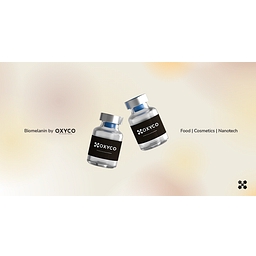
Bio-based melanin for enhanced UV protection in agrochemicals
Bio-based, fermented melanin offers a sustainable and effective UV stabilizing solution for agrochemicals, enhancing longevity and environmental safety. Its water solubility and scalability make it a versatile addition to various formulations.
Overview
Bio-based melanin introduces a revolutionary approach to safeguarding agrochemicals from UV degradation. By integrating into both oil- and water-based formulations, this innovative stabilizer ensures long-lasting effectiveness of active ingredients. Unlike traditional stabilizers, this melanin is not only highly effective in UV absorption (280–420 nm) but also boasts antioxidant and radical scavenging properties. Its eco-friendly, biodegradable nature aligns with regulatory requirements, presenting a sustainable alternative that is both scalable and cost-efficient through fermentation-based production.
Technical specifications
Key features:
- High UV absorption capacity, effectively protecting agrochemicals from degradation
- Exceptional water solubility, enhancing formulation versatility in both oil- and water-based applications
- Antioxidant and radical scavenging activities, comparable to existing stabilizers
- Scalable and sustainable production through fermentation
- Proven biodegradability and environmental safety
Validation and Testing:
- UV protection tests in various formulations to measure degradation rates
- Solubility assessments in organic solvents like xylene, methylated seed oil, and vegetable oils
- Stability monitoring for phase separation and viscosity changes
- Biodegradability and toxicity screenings to ensure environmental compliance
Technology readiness level
This innovative melanin-based UV stabilizer is at Technology Readiness Level 4, indicating that component and/or breadboard validation has been conducted in a laboratory environment. Future steps include further validation in agrochemical formulations and regulatory assessments for widespread application.
About Oxyco
Oxyco is a Barcelona-based biotechnology company that produces vegan, nature-identical biomelanin through a specialized biocatalysis process. By utilizing proprietary enzymes, the company creates a sustainable, soluble, and stable alternative to traditional melanin sources like sepia ink or bird feathers, which are often costly and difficult to scale. Their production method allows for customizable properties, positioning the ingredient for diverse applications across the personal care, food and beverage, and nanotechnology sectors.
This technology addresses significant market demand for ethically produced, cruelty-free, and high-performance color additives, antioxidants, and UV-blocking materials. Founded in 2022 as a joint venture between experts from Zymvol Biomodeling and Gecco Biotech, the company offers a way for industries to integrate functional bio-pigments into their products. Their biomelanin has been confirmed to share an identical structure with natural melanin, offering a stable and scalable solution for applications ranging from sea-friendly sunscreens to sustainable semi-conductors.
Inquire about this partnering listing

Industry applications

delivered to your inbox.