
Multi-omics data integration
Rancho BioSciences integrates heterogeneous omics datasets — genomics, transcriptomics, proteomics, metabolomics, and more — into unified, analysis-ready resources that enable cross-platform biological insights. Our PhD bioinformaticians handle the technical complexity of harmonizing data types with different scales, formats, and noise profiles.
Why it matters: Modern drug discovery generates data across multiple modalities, but each platform produces data in different formats with different identifiers, units, and quality characteristics. Without rigorous integration, you can't ask cross-platform questions like "which proteins are differentially expressed in patients with this genomic signature?" — and you risk false discoveries from batch effects or identifier mismatches.
How we work: We normalize and QC each data layer independently, then apply batch correction and identifier harmonization (gene symbols, protein IDs, metabolite names) using standardized ontologies. We build integrated data structures that link samples across platforms, enabling multi-omics analyses like pathway enrichment, network analysis, and multi-modal biomarker discovery. Deliverables include analysis-ready datasets, data dictionaries, and documented pipelines.
Proof points: Rancho has processed 100,000+ multi-omics samples for partners including Sapient Bioanalytics, who called us "best-in-class in data curation and clinical ontology expertise." Our hybrid manual + automated approach catches context-specific errors that pure automation misses — like knowing "PTEN1" is probably a typo for "PTEN."
Next steps: If your team is struggling to integrate data across platforms — or spending more time on data wrangling than analysis — let's discuss how we can unify your multi-omics data into a resource your scientists can actually use.
About Rancho Biosciences
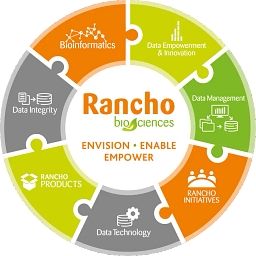
Rancho BioSciences is a global scientific data company that helps life-science organizations transform complex biomedical data into clarity, accelerate discovery, and unlock measurable value across R&D. It partners with pharmaceutical, biotech, and research organizations and uses a connected “data foundation” approach spanning strategy, curation/intelligent automation, engineering, analytics, and AI readiness to keep data trusted, reusable, and valuable as it moves through research and development.
Inquire about this partnering listing
Available for
Industry applications

delivered to your inbox.