
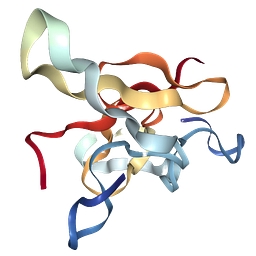
Yeast-based biocatalytic platform for selective oxidation and green chemistry
A biocatalytic platform leveraging cytochrome P450 activity expressed in a non-conventional yeast host, enabling selective oxidative transformations — including regioselective and stereoselective hydroxylation — under mild, aqueous conditions. Designed for complex organic scaffolds where traditional chemical approaches are low-yielding, non-selective, or require harsh reagents.
Selective C–H oxidation remains one of the most challenging transformations in synthetic chemistry. Metal-catalysed and stoichiometric oxidation routes carry significant cost, waste, and selectivity limitations on complex substrates. A biocatalytic alternative operating in water at ambient temperature offers both green chemistry credentials and practical process advantages for pharmaceutical intermediates, agrochemical building blocks, and speciality chemicals.
Cytochrome P450 enzymes are expressed functionally in a yeast host selected for compatible redox cofactor availability and membrane environment. Deployable as whole-cell biocatalyst or in cell-free format depending on the target reaction. Substrate scope spans drug-like small molecules, terpene scaffolds, and industrial chemical intermediates.
Early development stage. P450 expression and activity work ongoing in partnership with an enzyme engineering partner. Seeking sponsored research partners or co-development collaborators to explore specific substrate applications.
Looking to engage with process chemistry or green chemistry teams in pharma, agrochem, or speciality chemicals who have a specific oxidation challenge and interest in evaluating a biocatalytic route.
About HERlab
HERlab is a synthetic biology company that develops advanced microbial platforms to overcome challenges in protein discovery and production. By utilizing machine learning and a vast library of unconventional host microorganisms, the company's platform matches specific proteins to their ideal expression machinery. This approach enables the discovery and optimization of production systems for proteins, small molecules, and glycans that are often difficult to develop using standard industrial models. The company focuses on streamlining the expression and validation phases of bioproduction to improve scalability and efficiency.
The company's work addresses significant bottlenecks in precision fermentation, where reliance on a limited number of standard yeast hosts often results in prohibitively high production costs. By unlocking the potential of non-conventional yeasts, HERlab aims to lower expenses related to feedstock, purification, and genetic engineering. These capabilities are intended to facilitate more accessible and sustainable production of biomolecules, including food ingredients, vitamins, and chemicals, supporting the transition away from resource-intensive animal-based production methods. HERlab was founded in 2022 and has participated in accelerator programs such as Katapult to advance its climate and industrial biotechnology solutions.
Inquire about this partnering listing

Looking for
Industry applications

delivered to your inbox.