 JB
JB
Modular recovery aimed at what is already sitting in mining waste.
Pilot or trial engagementIn developmentStartup
Get the Discover digest
Receive a weekly email digest of the latest critical minerals and battery materials added by the network.Get the Discover digest
Receive a weekly email digest of the latest critical minerals and battery materials added by the network.Updated Sept 30, 2026
Critical minerals and battery materials covers sourcing what a battery needs, and turning it into a cell. On Halo, the solutions cover recovering the metal, electrode and electrolyte chemistry, and cells and casings. Sign up to search the full network and post your specific need.
JB
Modular recovery aimed at what is already sitting in mining waste.
 SS
SS
steve smith, consulting scientist
Extracting the trace elements seawater holds but nobody can concentrate.
Pectin side streams used to recover critical metals selectively.
End-of-life tires giving back silica, zinc, steel and carbon black.
 UO
UO
University of Alberta
Surface-modified lithium manganese oxide, for extracting lithium.
 MS
MS
Montana State University
Particle size mixing, to keep a silicon anode stable through cycling.
MS
Montana State University
Transformation toughening applied to a garnet LLZO solid electrolyte.
MS
Montana State University
Carbon molecular crystals storing charge pseudocapacitively for fast charging.


Syracuse University
A solid-state cell at the energy density heavy-duty work demands.
 DB
DB
Queen's University
Vanadium and graphene in a battery-supercapacitor hybrid.
UO
University of Alberta
A reaction cell reading what the chemistry is doing in real time.
 JT
JT
High energy domestic cells built into an aluminum can.
Sign up free to search the full network and post your specific need.
Already have an account?


Universities, startups, and suppliers with solutions in critical minerals and battery materials.
Critical minerals and battery materials organizations

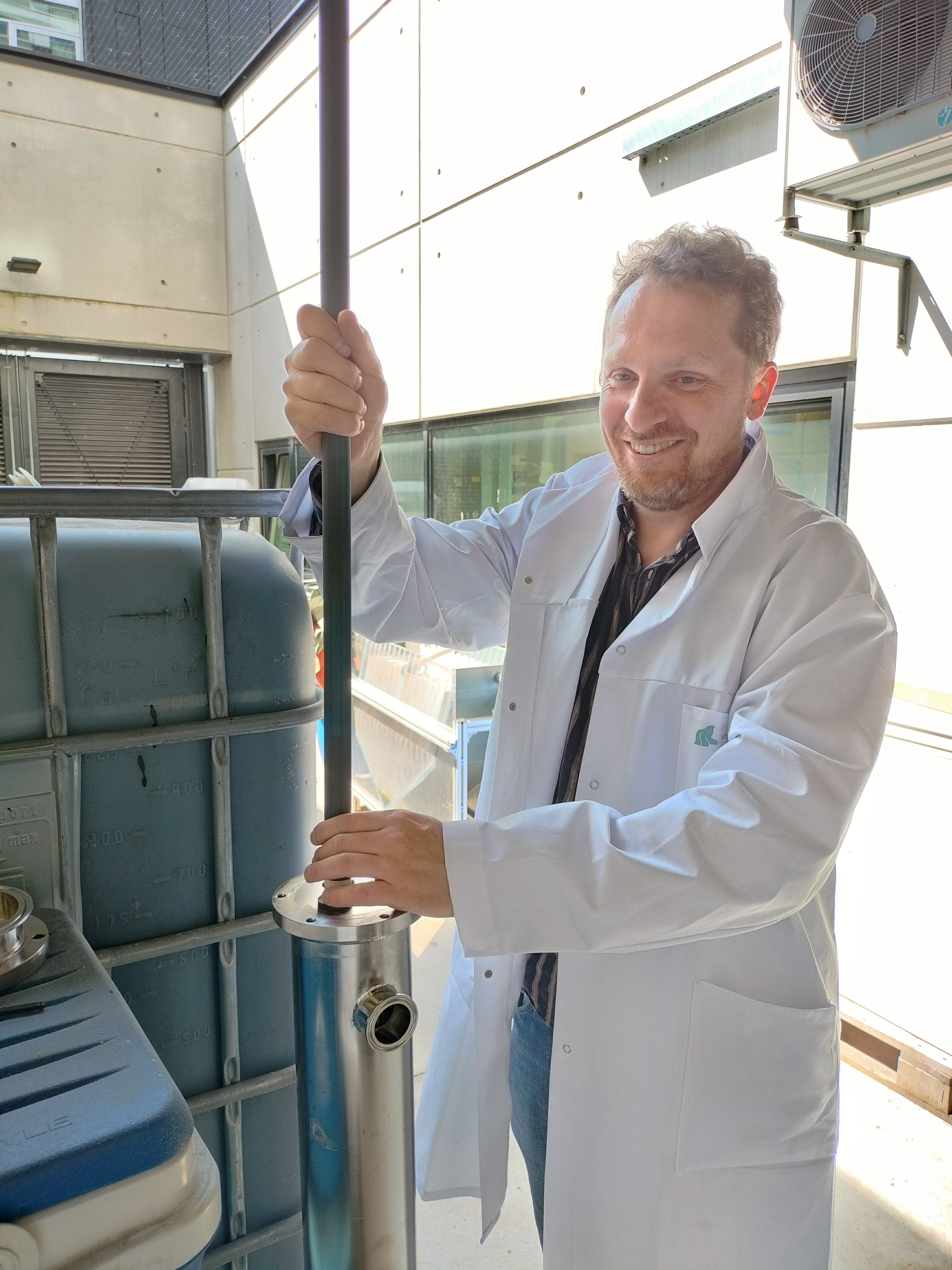


Researchers and inventors advancing critical minerals and battery materials.
Critical minerals and battery materials expertsThe set on Halo divides into three steps of one chain. Five entries recover a critical metal from waste, seawater or a side stream, six work on the electrode and electrolyte chemistry, and five on the can that holds it. Almost nothing addresses primary mining. On Halo it spans three groups: recovering the metal, electrode and electrolyte chemistry, and cells and casings.
Stage of development. Work on critical minerals & battery materials on Halo comes mostly from university programs. 28% of the solutions are in market. Montana State University has the most, followed by University of Alberta. Licensing and co-development are the usual partnering routes, and about 21% of the solutions that state terms offer pilot engagements.
Recovery, not extraction. Five entries source a critical metal and not one of them mines it. Mining waste reprocessed modularly, trace elements pulled from seawater, pectin side streams used for selective metal recovery, end-of-life tires giving back zinc and silica, and a manganese oxide surface engineered for lithium extraction. The deposit everyone is working is one somebody already dug.
Aluminum is the casing answer. Five entries stop at the can, and four of the five make it from aluminum: high energy domestic cells in an aluminum can, prototype 21700s in an aluminum case, an alloy casing argued on EV charge and discharge performance, and custom cylindrical cells fabricated to order. The fifth treats the case purely as a forming problem.
The chain shows up in three pieces. Recover the metal, make the electrode, build the can. Five entries at each step and almost no overlap between them, with the casing group answering the same aluminum question that runs through energy storage. No organization in the set is doing more than one of the three.
Critical minerals and battery materials covers sourcing the elements a battery needs and turning them into a cell. It spans recovery of metals from mining waste, seawater, side streams and end-of-life products, the anode and electrolyte chemistry those metals go into, and the casings and cell formats built around them. Battery manufacturers, mining companies and recyclers are the buyers.
Three examples of critical minerals and battery materials on Halo include:
The most recently updated critical minerals and battery materials on Halo include:
There are 460 organizations with critical minerals and battery materials on Halo, 55 of them universities and research institutions. Among them are Avasa Regen, steve smith, consulting scientist, and SylvitaTech. Most offer licensing or co-development. Sign up to see every organization working in the area and to send them your specific need.
Browsing critical minerals and battery materials on Halo is free. Sign up to search the full network and save the ones you want. Post your specific need to get exact matches. Organizations reply directly on the platform.
Confirm digest type