
- Background
- What we're looking for
- What we can offer you
- Who we are
- Q&A
The Linz-Donawitz (LD) process, also known as the basic oxygen steelmaking process, is a method of refining molten pig iron into high-quality steel by blowing pure oxygen into a basic refractory furnace. This process oxidizes impurities like carbon, silicon, phosphorus, and manganese, creating a by-product called LD slag.
Tata Steel Limited, Jamshedpur has developed a patented technology for producing a first of its kind soil conditioner from the LD slag fines which contains all the essential nutrients required for soil health and plant growth, including calcium, sulfur, iron, silicon, phosphorus, and magnesium.
LD Slag is one of the most significant by-products of integrated steel plants around the world, particularly from the perspective of government agencies, regulatory bodies and local authorities. India generates more solid waste per ton of steel (approximately 1.2 tons) compared to Western countries (around 0.55 tons). Among this waste, LD slag contributes substantially, accounting for 120 to 180 kg per ton of steel produced.
Current LD steelmaking processes generate slag with chromium concentrations that exceed acceptable thresholds for reuse, creating a pressing need for scalable solutions that enable this by-product transformation into valuable agricultural inputs.
The typical chemical analysis of LD slag is as shown in the table below.
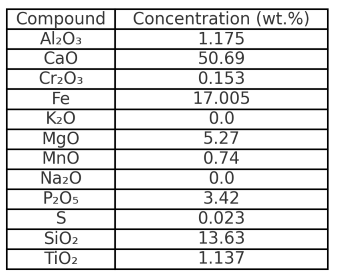
We are looking for solutions capable of reducing trivalent chromium concentrations from over 1500 ppm to less than 100 ppm in LD slag, ensuring safety and enabling its sustainable reuse.
- Organic processes
- Inorganic processes
- Electrochemical extraction
- Hydrometallurgical treatment
- Chemical treatment/stabilization
- Selective leaching
- High-temperature sintering
- Crystalline phase transformation
- Ready to implement or requiring minimal adjustments
- Heavy metal reduction
- Easy to implement and maintain
- Percentage constituents of existing elements like Ca, S, Fe, Si, P, and others should not be reduced
- Steel-making processes involving LD converter
- Solutions that interfere with the operability and productivity of existing processes
Shaped by a lineage of sound and straightforward business principles, the Tata group and our teams are built on a foundation of trust and transparency. We strongly believe that our people are our greatest asset. We also endeavor to nurture a culture of diversity, innovation, total quality management and employee care and respect. In all our global operating locations, we pride ourselves on being an equal opportunity employer and not discriminating on the basis of race, caste, religion, color, ancestry, gender, marital status, sexual orientation, age, nationality, ethnic origin or disability.
Learn moreThe Q&A is now closed.

Other recommended requests

delivered to your inbox.